Wondering whether a Marina condo or a classic flat is the better fit for your next move? In 94123, that choice is not just about charm, layout, or curb appeal. It is also about ownership structure, maintenance responsibility, financing, and how a building is set up behind the façade. If you are comparing options in the Marina, understanding those differences can help you buy with more confidence. Let’s dive in.
Why Marina homes need a closer look
The Marina has a distinct residential character shaped largely by 1920s-era development. According to San Francisco Planning, many of the neighborhood’s visible buildings came from a period when larger lots were re-subdivided for flats, rowhouses, and small apartment buildings.
That history matters because what looks like a classic flat from the street may not tell you how the property is legally owned. In California, a condominium is a legal form of ownership, not a building style. In the Marina, a similar-looking building might be a condo project, a tenancy-in-common, or an entire small building owned by one party.
San Francisco Planning also notes that the Marina was built on filled land and experienced liquefaction damage in the 1989 earthquake. That makes building condition, reserve planning, and repair history especially important when you evaluate any property here.
Condo vs. classic flat basics
When buyers say “classic flat,” they often mean a traditional Marina unit with period character, often in a smaller building. But from a transaction and ownership standpoint, the more useful question is this: what exactly are you buying?
A condo gives you separate ownership of a specific unit plus an undivided interest in the common areas. The homeowners association usually controls and maintains those shared areas, unless the governing documents say otherwise.
A classic flat, by contrast, could be structured in more than one way. It may be a condo unit in a smaller building, a TIC interest with occupancy rights to a particular unit, or part of a building being sold as a whole. The architecture may feel familiar, but the legal and financial experience can differ quite a bit.
How condo ownership works
With a condominium, title is conveyed to your unit together with an undivided interest in the common area. California law generally makes the association responsible for maintaining and repairing the common area, unless the declaration assigns those duties differently.
That setup can create a more formal system for decision-making and maintenance. If you prefer a structure where shared repairs, insurance disclosures, and budgeting are handled through an HOA, a condo may feel more predictable.
For many buyers, that predictability is a major benefit. You are not just buying square footage. You are also buying into a framework for how the building is managed over time.
How TIC-style flats differ
A TIC, or tenancy-in-common, works differently. California’s Department of Real Estate describes TIC ownership as an undivided interest in the whole property paired with occupancy rights to a particular unit.
Those occupancy and management rights are usually set out in a separate TIC agreement. That agreement often addresses who occupies which unit and how items like property taxes are apportioned.
This structure can work well for some owner-occupants, but it is generally more customized than standard condo ownership. That can affect financing, resale, and how decisions get made among co-owners.
Why the same exterior can mean different things
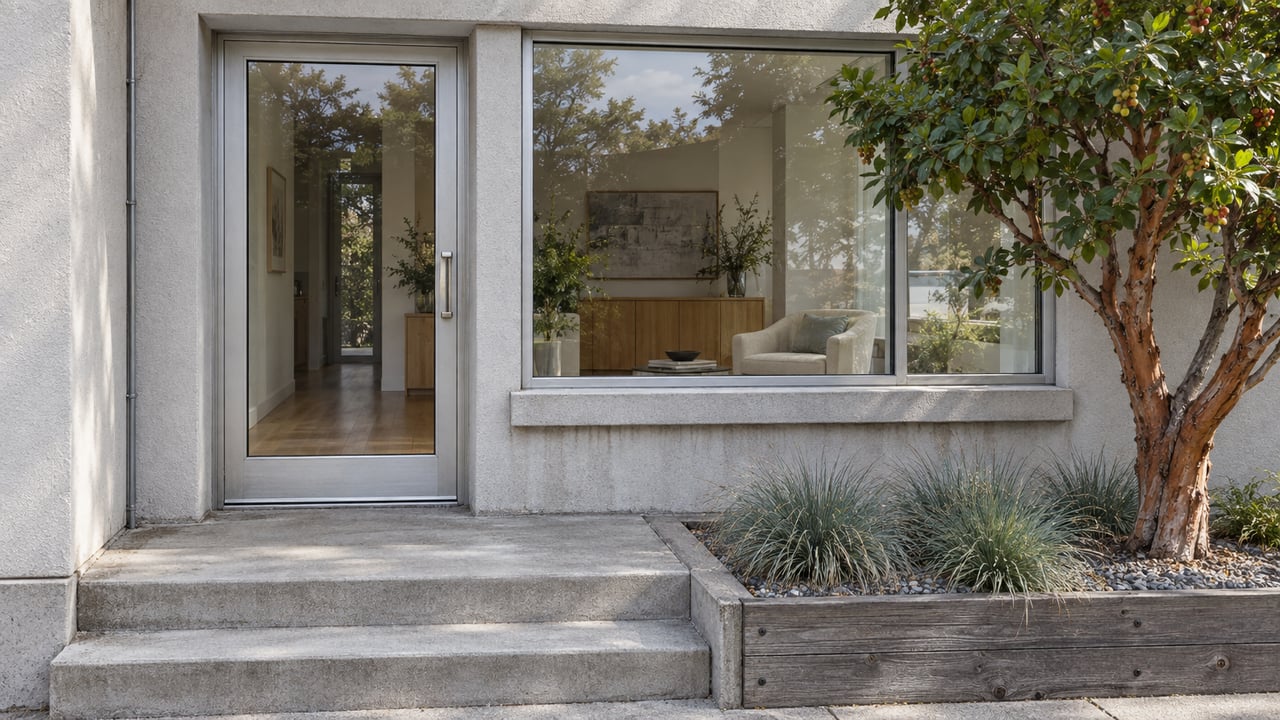
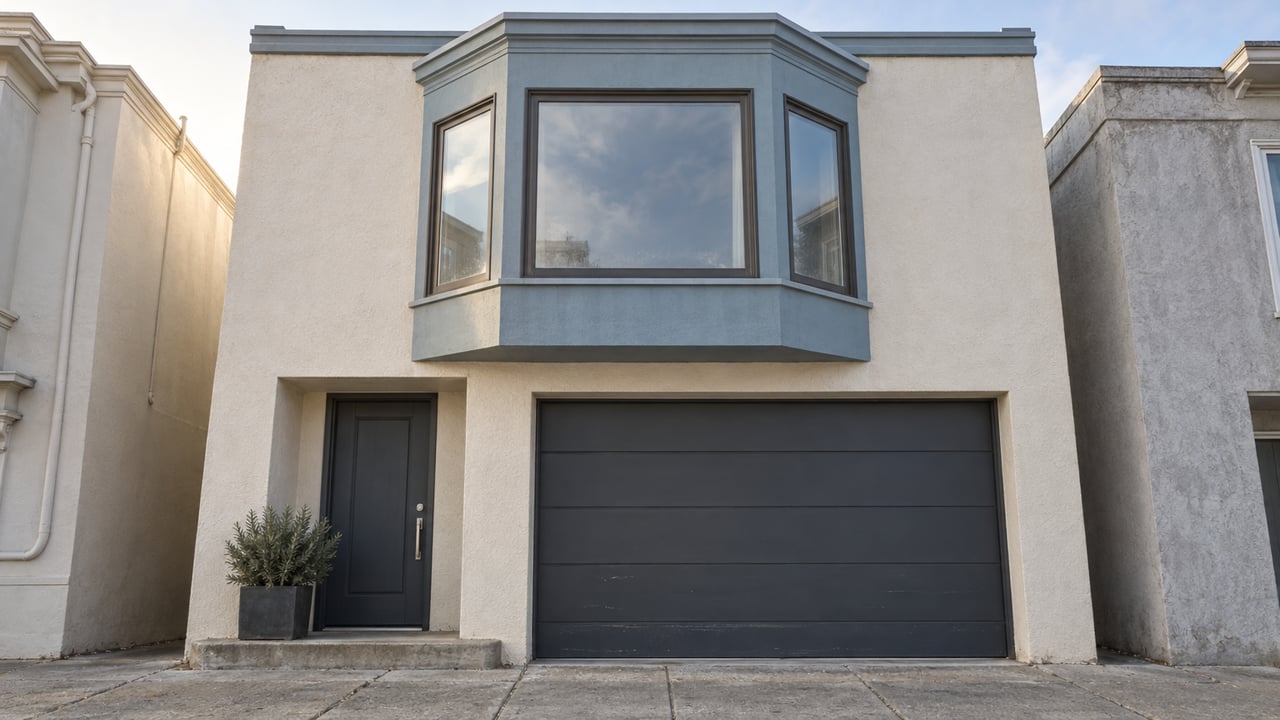
One of the most confusing parts of shopping in the Marina is that two buildings can look nearly identical from the sidewalk but function very differently in practice. A charming façade does not tell you whether the building has an HOA, a TIC agreement, or a single owner managing the entire property.
That is why document review matters early. Before you get too attached to the look of a home, confirm whether it is a condo, a TIC, or part of a whole-building opportunity.
For buyers who value clarity and risk management, this step is essential. In the Marina, the legal structure is often just as important as the floor plan.
Dues and maintenance trade-offs
Condo dues are often viewed as a simple monthly cost, but they do more than cover routine services. Under California law, associations must levy assessments sufficient to perform their obligations, and annual budget reports must disclose reserves, reserve funding plans, possible special assessments, loans, and insurance.
That means dues are part of the building’s larger maintenance and capital plan. In a neighborhood like the Marina, where fill conditions and liquefaction history can make structural resilience more material, that planning can carry extra weight.
California law also limits how much regular assessments can increase in a fiscal year without member approval, and larger special assessments generally require approval as well. Reserve studies must include a visual inspection at least once every three years, with annual board review.
If you are comparing a condo to a smaller flat-style building, ask what is covered, how reserves are funded, and whether the association has planned ahead for repairs. Low dues may sound attractive, but they are only part of the story.
Privacy and day-to-day living
Privacy depends less on the word “condo” or “flat” and more on how the building actually lives. Shared stairs, hallways, parking, outdoor areas, and wall placement all shape your daily experience.
In practice, a smaller two- to four-unit flat building may involve fewer shared touchpoints than a larger condo project. Still, that is a property-specific reality, not a rule.
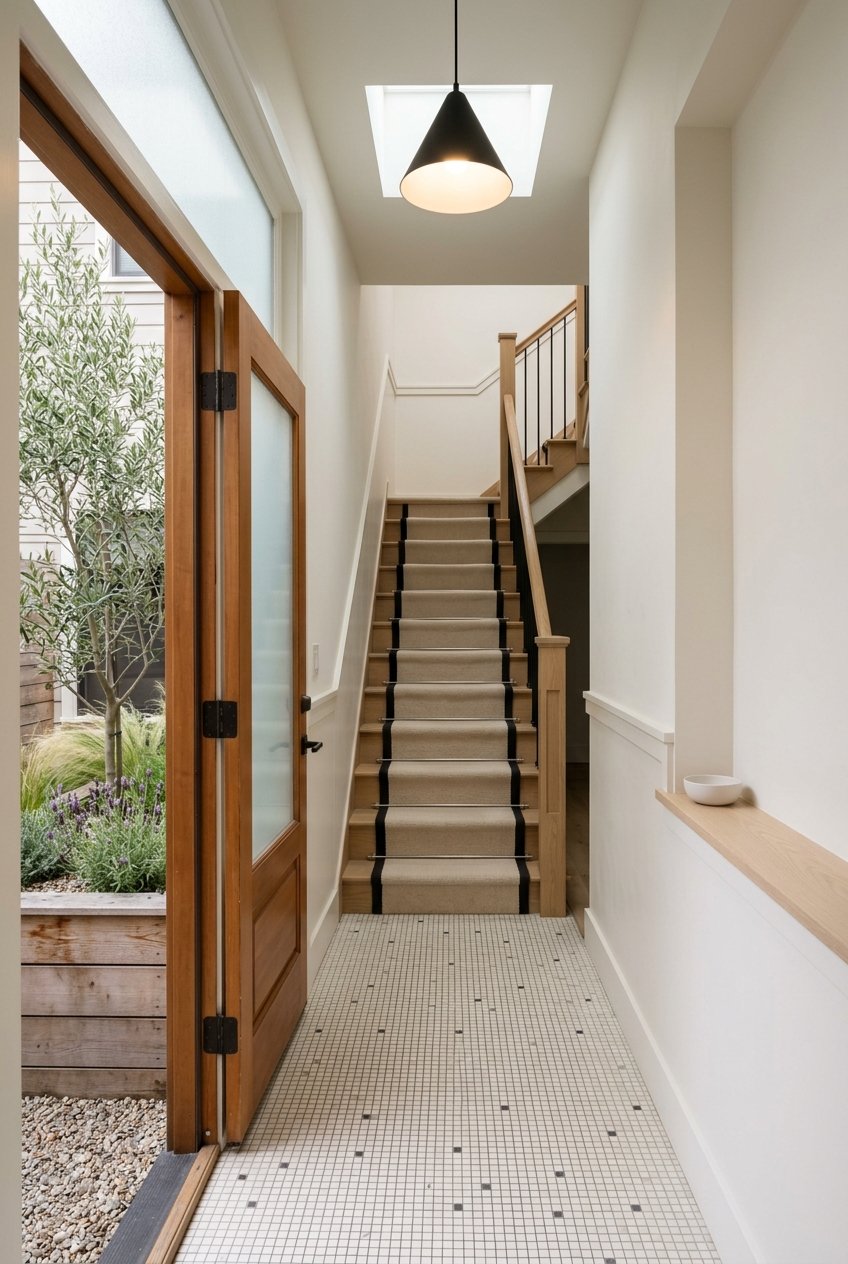
If privacy is high on your list, look closely at circulation and common spaces. You may find that two homes with similar architecture feel very different once you walk through the building.
Financing and resale considerations
For many buyers, resale flexibility matters just as much as move-in appeal. Condos can offer a more straightforward resale path when the association is healthy and the project has clear FHA or VA status.
California requires annual condo budget reports to state whether the project is FHA- or VA-approved. The statute also notes that this kind of certification may improve refinancing or secondary financing options and can increase the potential buyer pool.
TIC purchases can still be very workable, but the path is often more bespoke. California DRE guidelines note that TIC agreements govern occupancy, financing may involve appraisal of both the building and each undivided interest, and additional lender or co-owner conditions may apply.
For that reason, a TIC may appeal most to buyers who are comfortable with a more tailored process. A standard condo may suit buyers who want a broader lending and resale framework.
Due diligence matters more in the Marina
No matter which direction you lean, Marina buyers should look beyond finishes and staging. In this neighborhood, ownership documents and building records deserve close attention.
A smart review usually includes confirming the ownership structure, reading the title and governing documents, and reviewing reserve studies, insurance disclosures, and any record of seismic or water-related repairs. That level of diligence is especially sensible in the Marina because of the area’s older housing stock, fill conditions, and liquefaction history.
This is where a calm, detail-oriented advisory process can make a real difference. The goal is not just to win the property. It is to understand exactly what you are buying and how it may affect your long-term ownership experience.
Which option fits your priorities?
If you want formal governance, reserve-based planning, and a more standardized ownership framework, a condo may be the better match. If you are open to more customized co-ownership arrangements and understand the moving parts, a TIC-style flat could be worth considering.
If your priority is maximum control, a small multi-unit building owned outright may be the right path. That option can offer direct decision-making, but it also means taking on the full scope of management and maintenance responsibility yourself.
In the Marina, there is no one-size-fits-all answer. The right choice depends on how you weigh control, simplicity, shared responsibility, financing options, and the building’s actual condition.
If you are weighing Marina condos against classic flats and want a clear, strategic read on the trade-offs, K2 Collective - Kelli + Katie can help you evaluate the details with discretion, rigor, and a neighborhood-specific lens.
FAQs
What is the difference between a Marina condo and a classic flat?
- In the Marina, a condo is a legal ownership form with a separately owned unit plus shared common-area interest, while a classic flat is more of an architectural description and may be structured as a condo, TIC, or part of a whole building.
Why does ownership structure matter when buying in Marina 94123?
- Ownership structure affects maintenance responsibility, governance, financing, resale, and what rights you actually hold in the property.
Are HOA dues in a Marina condo just for amenities?
- No. Condo dues also support maintenance obligations, reserves, insurance planning, and potential capital needs disclosed in the association’s annual budget materials.
Are TIC flats in San Francisco harder to finance than condos?
- TICs can be financed, but the process may be more customized because occupancy rights, appraisals, and co-owner or lender conditions can add complexity.
Why is due diligence especially important for Marina properties?
- The Marina’s filled land, liquefaction history, older housing stock, and varied ownership structures make document review, repair history, reserves, and insurance disclosures especially important.