If you are handling an estate sale or divorce sale in Russian Hill, you are probably balancing more than a normal listing timeline. You may be coordinating decision-makers, legal authority, privacy concerns, and a property that comes with steep stairs, older systems, or historic constraints. The good news is that with the right plan, you can reduce delays, protect value, and move forward with more confidence. Let’s dive in.
Why Russian Hill sales need extra care
Russian Hill is not just known for views and charm. It is also an older hillside neighborhood with a long development history, steep topography, and many multifamily buildings, according to San Francisco Planning materials. That local context matters when you are preparing an estate or divorce sale.
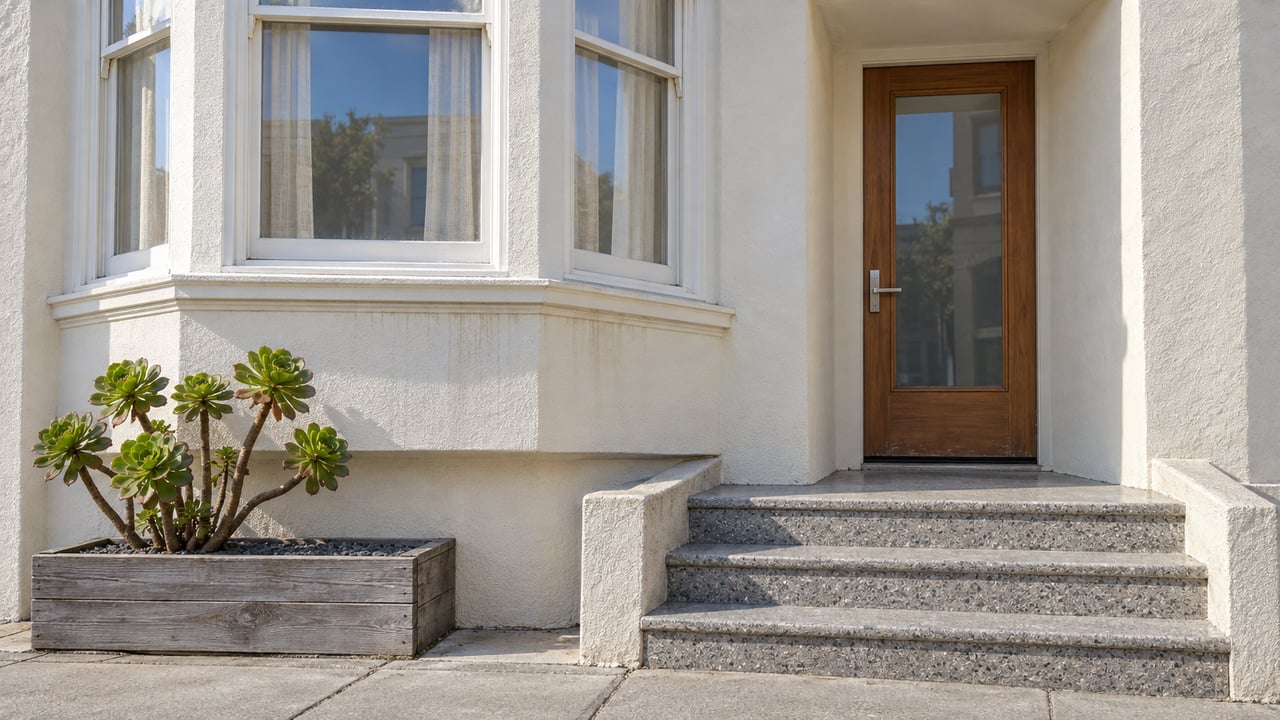
In practical terms, a Russian Hill property may involve narrow driveways, long stair access, aging building systems, or exterior features that need preservation-sensitive review. San Francisco Planning also identifies historic districts in the area, including Russian Hill/Vallejo St., Russian Hill/Macondray Lane, and Russian Hill/Paris Block, which can affect repair timing and exterior work. For sellers, that means pricing, staging, and pre-sale improvements should be built around the property’s physical and regulatory realities.
Start with legal authority
Before you think about paint colors, staging furniture, or launch dates, confirm who has the authority to sell. In estate and divorce transactions, this is the issue that often controls the timeline.
Estate sale authority in California
In a decedent’s estate, the personal representative may be an executor, administrator, special administrator, or another fiduciary. Under California probate law, authority can differ depending on the representative’s powers, and limited authority does not allow a real-property sale without court supervision, as outlined in the California Probate Code.
If a sale proceeds without court supervision, a Notice of Proposed Action must include the material terms, including price and broker compensation. Interested parties can object, and if they do, the sale may need to move into a court-supervised process. In a court-supervised private sale, California law generally requires a recent appraisal and an offer of at least 90 percent of appraised value.
Trust sale authority is different
Trust sales usually follow a different path. A trustee may acquire or dispose of trust property at public or private sale and may hire professionals, including attorneys and appraisers, to help administer the trust, under California Probate Code section 16226.
That can make the process more flexible than probate, but it still requires careful documentation and clear decision-making. If more than one trustee or interested party is involved, a shared process for approvals can help avoid conflict and delay.
Divorce sale authority requires both spouses
In divorce, California law generally requires both spouses to join in selling community real property. Family Code provisions also restrict transfers or new encumbrances unless both parties consent in writing or the court orders otherwise, with narrow exceptions.
This means a listing cannot simply move ahead because one spouse is ready. Divorce cases also involve financial disclosures, and the California Courts note that the process takes at least six months, with temporary orders available while the case is pending. If there is disagreement, the marketing calendar may need to wait for legal clarity.
Build the timeline around authority
One of the biggest mistakes in estate and divorce sales is assuming the property can close on your preferred schedule. In reality, the sale timeline should be built around the legal authority timeline.
If a representative has limited probate authority, or if one spouse objects in a divorce matter, the transaction can be delayed or pushed into a more formal process. A helpful reference point is the California court form for Independent Administration of Estates Act authority, which shows how authority status can shape what happens next.
For Russian Hill sellers, this is especially important because physical prep often takes time too. If access is difficult, staging logistics are more complex, or permit review is needed for visible work, you want your legal path and property prep plan aligned from the start.
Plan repairs with Russian Hill in mind
Older homes and buildings in Russian Hill often need closer review before any work begins. If the property is in a historic district or subject to local preservation controls, what looks like a simple upgrade may require more review than expected.
According to San Francisco Planning, Article 10 landmarks and historic districts may require a Certificate of Appropriateness for construction, alteration, demolition, and similar work, while ordinary maintenance or in-kind repairs may be exempt. Planning also notes that all window replacements require a building permit, and visible replacements may trigger added review.
That matters in estate and divorce sales because sellers often want quick cosmetic improvements before listing. In Russian Hill, you should separate truly simple maintenance from any project that changes visible exterior elements, windows, or permit-sensitive features.
Smart pre-sale work to document
For complex sales, a written scope is more than a nice-to-have. It helps everyone stay aligned on budget, timing, and approvals.
Focus on documenting:
- The exact repair scope
- Contractor bids and expected timing
- Staging budget and installation dates
- Who approves changes in writing
- Whether any work may need Planning review or permits
This becomes even more important in probate matters. Under the California Rules of Court on exclusive listing petitions, the petition must identify the property, broker, listing terms, and why the exclusive listing is necessary and advantageous to the estate. A well-documented prep plan supports that logic and helps reduce confusion later.
Disclosures still apply
Sensitive circumstances do not reduce disclosure obligations. Whether the home is being sold through an estate, trust, or divorce, standard disclosure rules still matter.
California’s natural hazard disclosure law covers hazards such as flooding, fire, earthquake fault zones, and seismic hazard areas when applicable. The statutory form also makes clear that it is not the seller’s only disclosure obligation.
For homes built before 1978, federal law also requires disclosure of known lead-based paint information and delivery of the EPA lead pamphlet before contract. In a neighborhood like Russian Hill, where many structures are quite old, this issue can come up often.
The practical takeaway is simple: as-is language and discreet marketing do not replace proper disclosure. If you want a cleaner transaction and fewer surprises, handle disclosure strategy early.
Protect privacy without creating risk
Privacy often matters deeply in these sales, but privacy and compliance are not the same thing. The goal is to protect sensitive information while still following the legal process.
In divorce, the California Courts explain that financial documents are exchanged between spouses and only proof of disclosure is filed, which helps keep the underlying financial information out of the public court file, according to the California Courts self-help guide. In probate, by contrast, a Notice of Proposed Action goes to people with a legal interest in the estate, and an objection can stop a non-court-supervised sale.
For sellers in Russian Hill, this means your communications plan matters. You may want private coordination, measured marketing language, and a clear approval structure, but you still need to satisfy the required notice and disclosure steps.
Use one approval path
Estate and divorce transactions can fall apart when multiple people start making separate decisions. One person approves repairs, another objects to staging, and someone else wants a price reduction after the property hits the market.
A better approach is to use one written approval path for major decisions, including:
- Repairs and contractor selection
- Staging and marketing spend
- Pricing and price adjustments
- Offer review procedures
- Required legal or fiduciary sign-offs
This is a practical best practice when heirs, trustees, or spouses are involved. It helps keep the transaction organized and lowers the chance of competing instructions.
Why strategy matters in Russian Hill
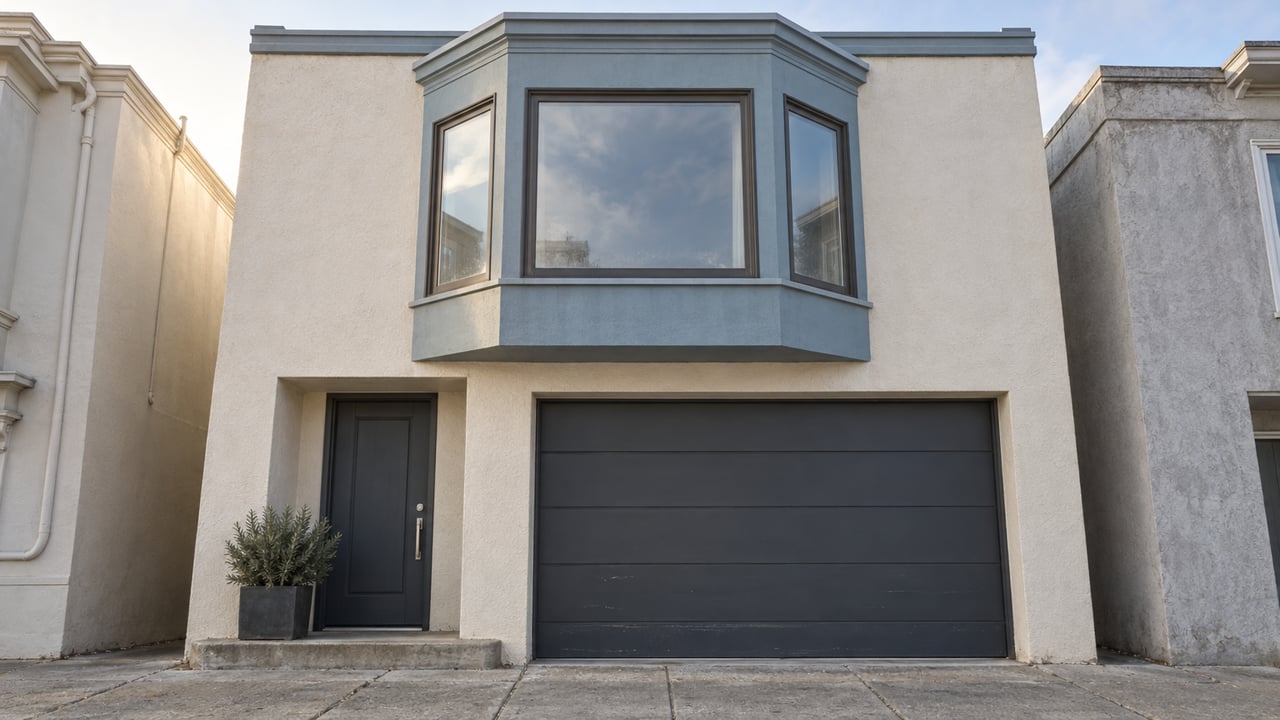
Russian Hill properties often ask for more than standard listing prep. You may be selling a condo in a multifamily building, a historic residence with visible exterior constraints, or a home where stairs and access affect buyer perception from the first showing.
That is why these sales benefit from a calm, structured approach that combines legal awareness, documentation, and polished presentation. When you align authority, prep, disclosures, and marketing, you put yourself in a stronger position to protect value and reduce avoidable delays.
If you are preparing for an estate or divorce sale in Russian Hill, working with an advisor who understands both the transaction complexity and the neighborhood’s housing stock can make the process feel much more manageable. To schedule a confidential market consultation, connect with K2 Collective - Kelli + Katie.
FAQs
What makes an estate sale in Russian Hill different from a standard sale?
- Russian Hill estate sales may involve probate or trust authority, older buildings, steep access, and possible historic or permit review issues that can affect timing, repairs, and marketing.
Can one spouse sell a Russian Hill home during a California divorce?
- Generally, no. California law typically requires both spouses to join in the sale of community real property unless a court orders otherwise.
Do Russian Hill probate sales always need court approval?
- Not always. Some personal representatives may act under the Independent Administration of Estates Act, but limited authority does not allow a real-property sale without court supervision.
Are disclosures still required in an as-is Russian Hill sale?
- Yes. Natural hazard disclosures and any other required seller disclosures still apply, and older homes may also trigger lead-based paint disclosure requirements.
Can sellers make repairs before listing a Russian Hill property?
- Yes, but older or historically sensitive properties may require Planning review, permits, or a Certificate of Appropriateness depending on the scope of work.
Why does a Russian Hill divorce or estate sale need a written approval process?
- A written approval path helps keep heirs, trustees, spouses, and service providers aligned on repairs, pricing, staging, and offer decisions, which can reduce conflict and delays.