Thinking about selling in the Outer Sunset? In a neighborhood where coastal weather, older housing stock, and price-sensitive buyers all shape the market, confidence comes from preparation. If you want to reduce surprises, present your home well, and launch with a smart strategy, a little upfront work can make a big difference. Let’s dive in.
Why preparation matters in Outer Sunset
The Outer Sunset is active, but it is not a market where you can rely on guesswork. According to Redfin’s Outer Sunset housing market data, the median sale price was $1,614,000 in February 2026, with a median 14 days on market. At the same time, the research also notes a different March 2026 snapshot showing 34 active listings, a $1,295,000 median list price, and a 30-day median days-on-market reading.
Those numbers tell you something important: buyers are active, but pricing and presentation still matter. A strong sale often starts with a realistic strategy based on recent closed sales, not just hopeful list prices. In a neighborhood like the Outer Sunset, careful preparation helps your home feel like a clear, credible opportunity from day one.
Understand the local housing stock
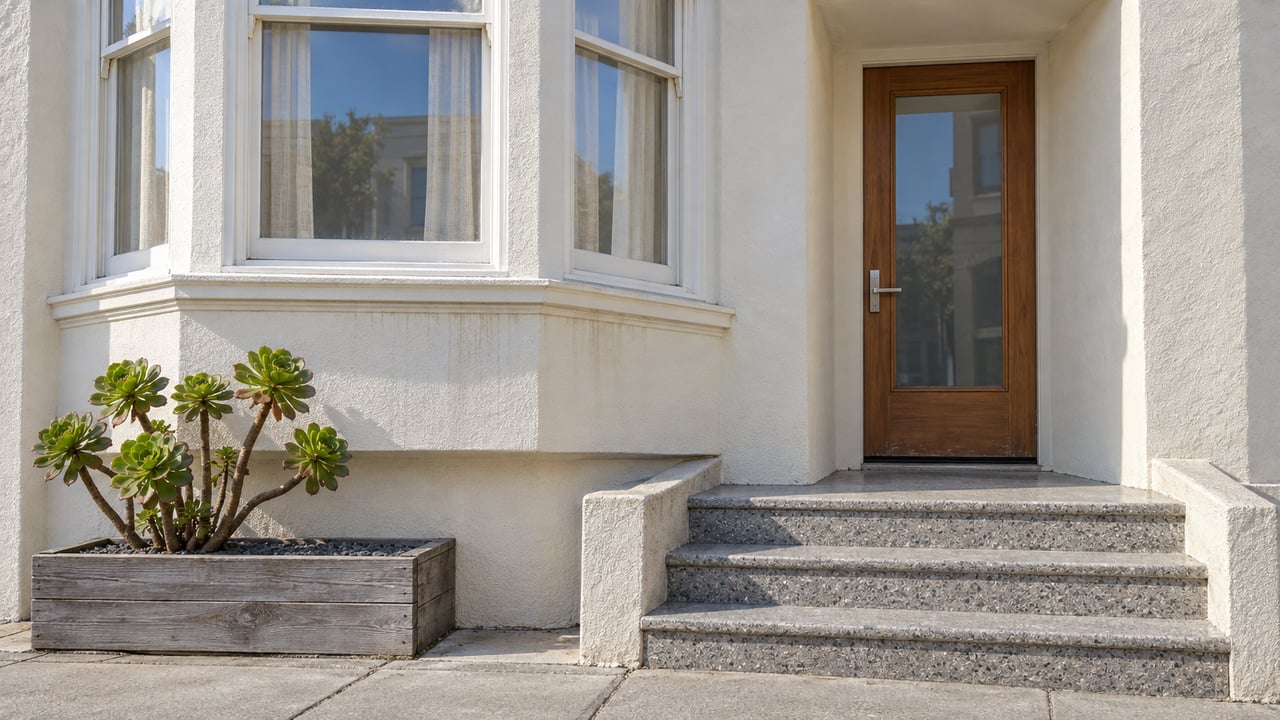
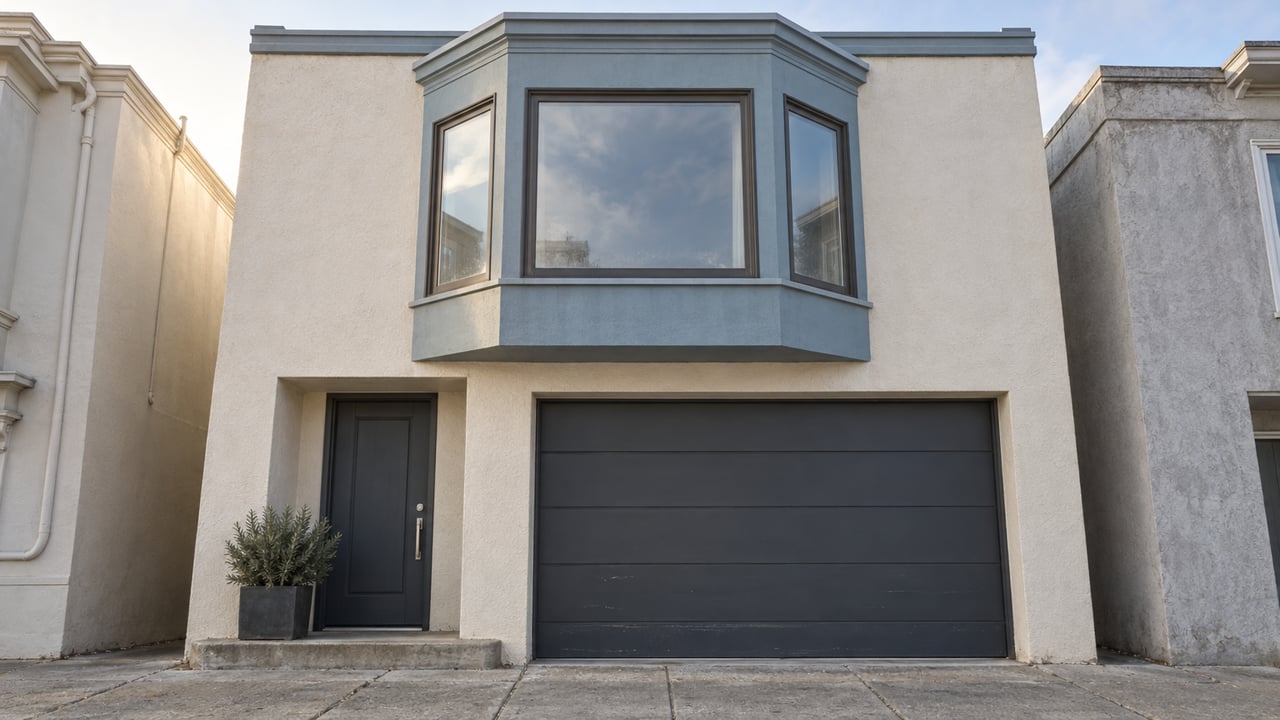
Many Outer Sunset homes were built between 1925 and 1950. The San Francisco Planning historic context statement explains that the area was developed on former sand dunes and is known for stucco-clad single-family homes with integrated garages.
That history shapes what buyers notice. When a home is older, buyers often pay close attention to exterior condition, drainage, aging systems, and permit history. If you know your home may raise questions in those areas, it helps to address them early rather than waiting for a buyer to uncover them during escrow.
Start with inspections and disclosures
One of the best ways to sell with confidence is to get ahead of issues before they become negotiation points. Under California Civil Code Section 1102.1, sellers of single-family homes still have disclosure obligations, even in an as-is sale. The seller must provide the Real Estate Transfer Disclosure Statement before transfer, and the seller’s agent must complete a reasonably competent visual inspection of accessible areas.
That is why a pre-listing inspection can be so valuable. It gives you a clearer picture of the home’s condition before buyers start asking questions. It can also help you decide which issues to repair, which to disclose, and how to price the property with fewer unknowns.
Gather records before you list
Documentation matters just as much as repairs. If you took title to the property within the last 18 months and are now selling a single-family home, California Civil Code Section 1102.6h requires disclosure of room additions, structural modifications, other alterations, or repairs made since title transfer, along with contractor and permit information when applicable.
For that reason, it is smart to create a simple property file before your home goes live. Try to gather:
- Permits
- Contractor invoices
- Warranties
- Receipts for recent work
- Contact information for service providers
- Any records related to additions, repairs, or alterations
When your paperwork is organized, buyers often feel more comfortable moving forward. Good records can also make it easier to answer disclosure questions clearly and promptly.
Focus repairs on visible confidence-builders
Not every seller needs a major renovation before listing. In many Outer Sunset homes, the best return comes from visible repairs and presentation improvements that reduce uncertainty for buyers. Think less about over-improving and more about making the home feel cared for, functional, and easy to understand.
That might include fresh paint, flooring updates, lighting improvements, or basic exterior maintenance. For sellers who want help covering upfront cosmetic work, Compass Concierge may be relevant for services such as staging, flooring, and painting, with payment due at closing and subject to market terms.
Stage for Outer Sunset light
Lighting is especially important in this part of San Francisco. According to NOAA climate data for San Francisco, the city’s marine climate includes cool, dry summers, frequent sea fog, and morning overcast that often clears later in the day.
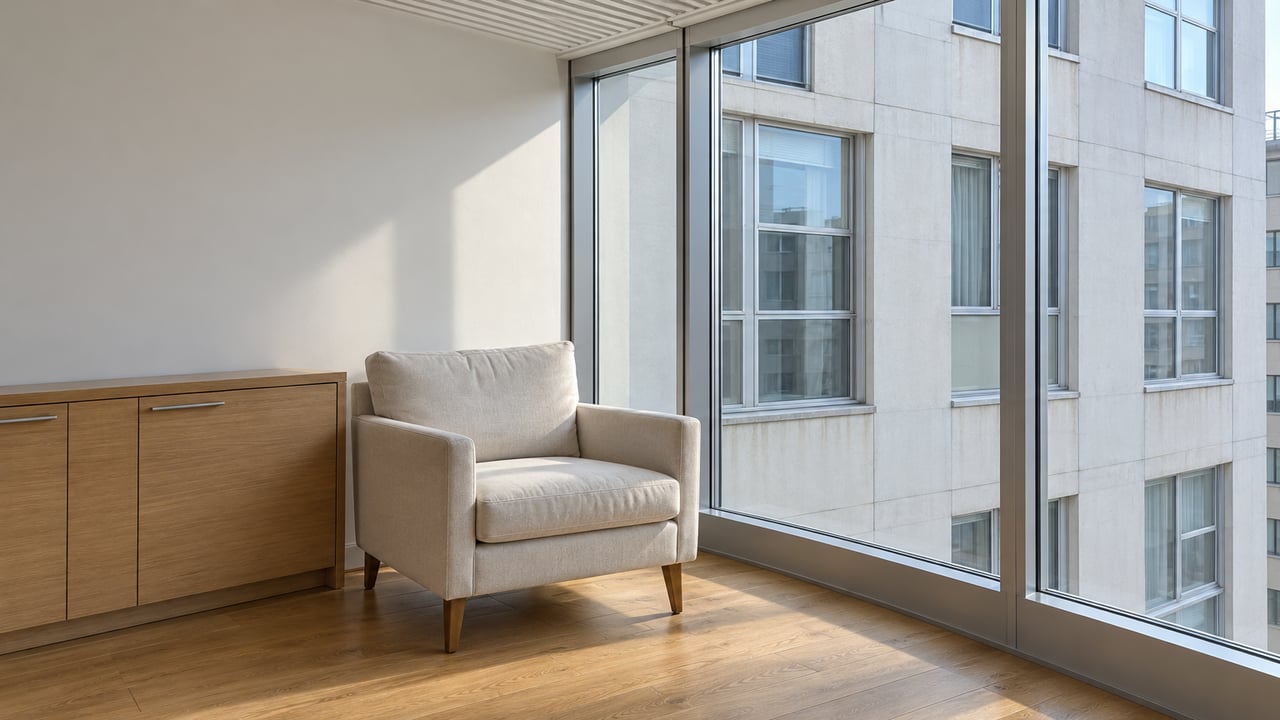
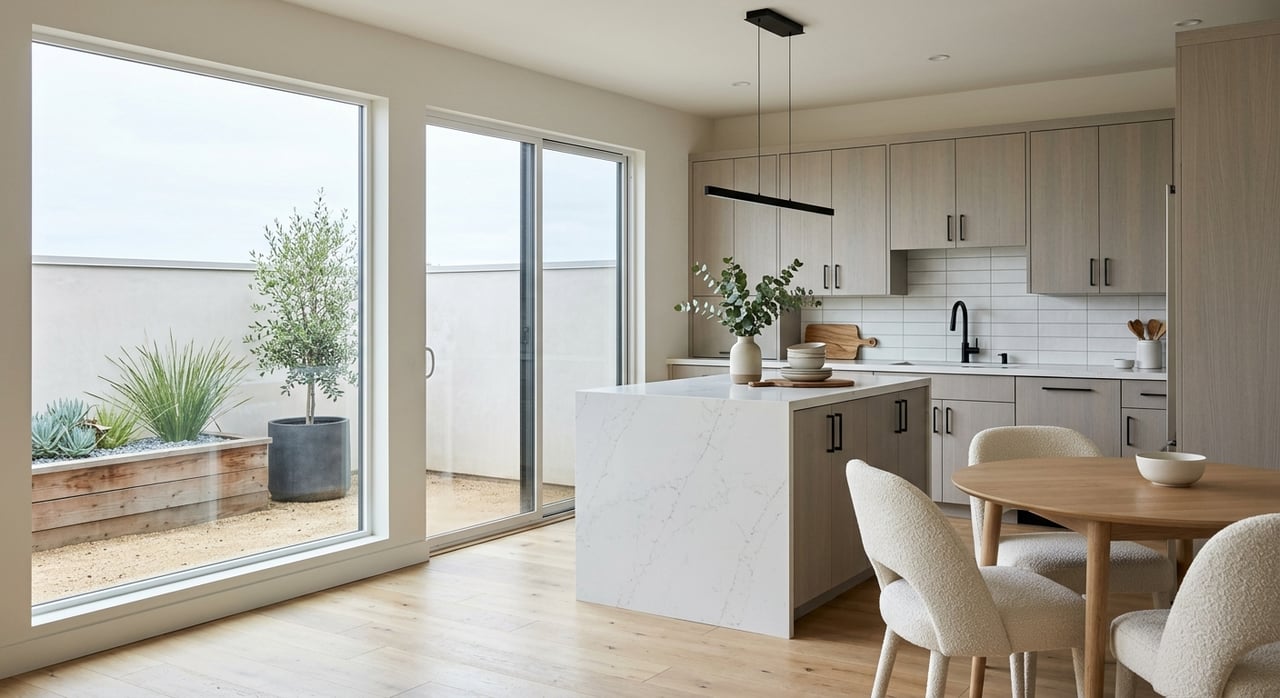
That weather pattern affects how your home shows. In softer coastal light, buyers tend to notice brightness, warmth, and visual clarity even more. A well-staged Outer Sunset home should feel bright and inviting, even on a gray morning.
Simple ways to brighten your home
A few practical steps can improve how your home reads in person and in photos:
- Clean all windows and glass doors
- Use warm interior lighting throughout the home
- Open curtains and window coverings fully for showings
- Declutter entry areas and porch space
- Touch up paint where wear is visible
- Keep surfaces simple and clean
The goal is not to make the home look artificial. It is to help buyers see the home at its best, especially when natural light is limited.
Watch for coastal wear
The coastal setting also affects maintenance. NOAA’s coastal hazards material notes that salt spray can corrode building materials and moisture can speed up decay.
For an Outer Sunset seller, that means your pre-list walk-through should pay close attention to a few exterior and structural details. These are not automatically major issues, but they are common areas where deferred maintenance can stand out.
Areas worth checking before launch
- Exterior metal with signs of corrosion
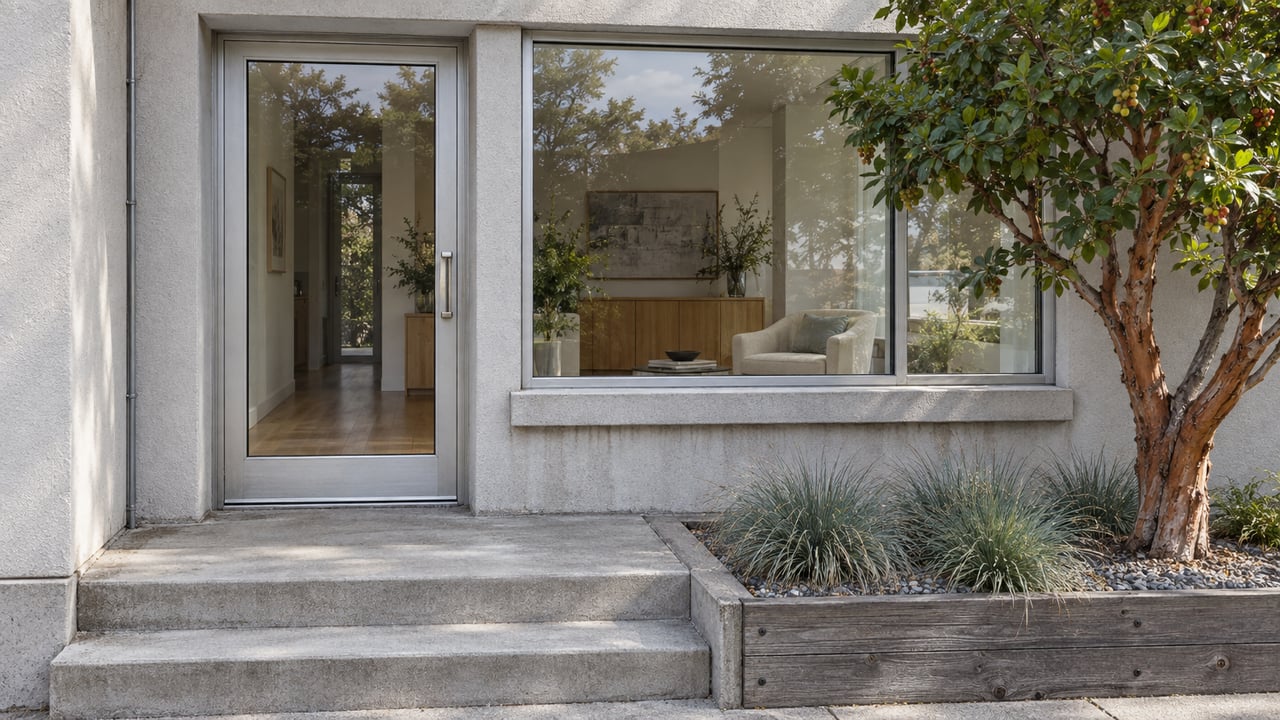
- Caulking around windows and doors
- Flashing at rooflines and penetrations
- Gutters and downspouts
- Deck hardware
- Drainage around the home
If these areas are in good shape, buyers may feel more confident about the property’s overall care. If they need attention, handling them before launch can help reduce future objections.
Prepare for common disclosures
Disclosure is a major part of selling an older San Francisco home well. California’s natural hazard disclosure framework can include notices related to flood hazard areas, fire risk, earthquake fault zones, airport influence, and other conditions.
For older light-frame homes built before 1960, the state earthquake-safety booklet also highlights features such as foundation anchor bolts, cripple-wall bracing, first-story walls, and water-heater strapping when those conditions are within the seller’s actual knowledge. In practical terms, it helps to review your home with a careful eye and be ready to answer questions with accuracy.
There is another common issue in the Sunset housing stock. Because many homes predate 1978, federal lead-based paint disclosure rules are often relevant when selling.
Build a smart launch plan
A polished launch is usually more effective than rushing to market. In the Outer Sunset, a strong sequence often looks like this:
- Complete pre-list inspections
- Review disclosures and gather records
- Handle priority repairs and cosmetic updates
- Stage the home for brightness and flow
- Photograph the property when natural light is strongest
- Launch once the home is fully market-ready
This approach supports two goals at once: reducing transaction risk and improving presentation. That combination is often what helps a listing stand out in a market where buyers are comparing condition, clarity, and value very closely.
Choose open-house timing carefully
Many sellers assume weekend open houses are the only option, but that is not always the best fit. Realtor.com notes that open houses are commonly scheduled around weekends because buyers are available, while NAR guidance points out that some agents see strong results with weekday twilight opens.
For the Outer Sunset, the best timing depends on local traffic patterns, weather, and when your home shows best. NAR also recommends arriving early, turning on all lights, and opening curtains, which is especially useful in a neighborhood where brightness can influence first impressions.
Confidence comes from clarity
If you are preparing to sell in the Outer Sunset, confidence does not come from crossing your fingers and hoping buyers overlook the details. It comes from knowing your home, addressing the most visible concerns, organizing your records, and launching with a strategy that fits the neighborhood.
That kind of preparation can help buyers feel that your home is well maintained, well documented, and ready for the market. If you want a principal-led, high-touch approach to pricing, preparation, and launch strategy, K2 Collective - Kelli + Katie can help you plan your next move with clarity and care.
FAQs
What should you fix before selling an Outer Sunset home?
- Focus first on visible repairs and presentation improvements that reduce buyer uncertainty, such as paint, lighting, flooring, exterior upkeep, drainage, and small items affected by coastal moisture.
Why are disclosures important when selling in the Outer Sunset?
- Disclosures matter because California requires sellers of single-family homes to provide specific property information, and older Outer Sunset homes may raise added questions about condition, permits, hazards, and lead-based paint.
Should you get a pre-listing inspection for an Outer Sunset house?
- A pre-listing inspection can be helpful because it may identify issues early, giving you time to make repairs, prepare disclosures, and avoid surprises during negotiations.
How should you stage a home in the Outer Sunset?
- Stage for brightness by cleaning windows, using warm lighting, opening curtains, decluttering, and timing photography or showings when natural light is strongest.
When is the best time for an Outer Sunset open house?
- The best timing depends on how your home shows, local weather, and buyer traffic, so weekend and weekday twilight opens can both make sense when the home is fully market-ready.