Trying to tell a Russian Hill condo from a TIC by looking at the façade? In this neighborhood, that can be a costly mistake. Russian Hill’s classic flats, small-scale older buildings, and occasional taller towers can hide very different ownership structures behind similar architecture, which means the real story is in the documents, not the curb appeal. If you are weighing a purchase here, understanding how condos, TICs, co-ops, and other co-ownership structures work can help you compare risk, financing, monthly costs, and future resale with more confidence. Let’s dive in.
Why ownership structure matters in Russian Hill
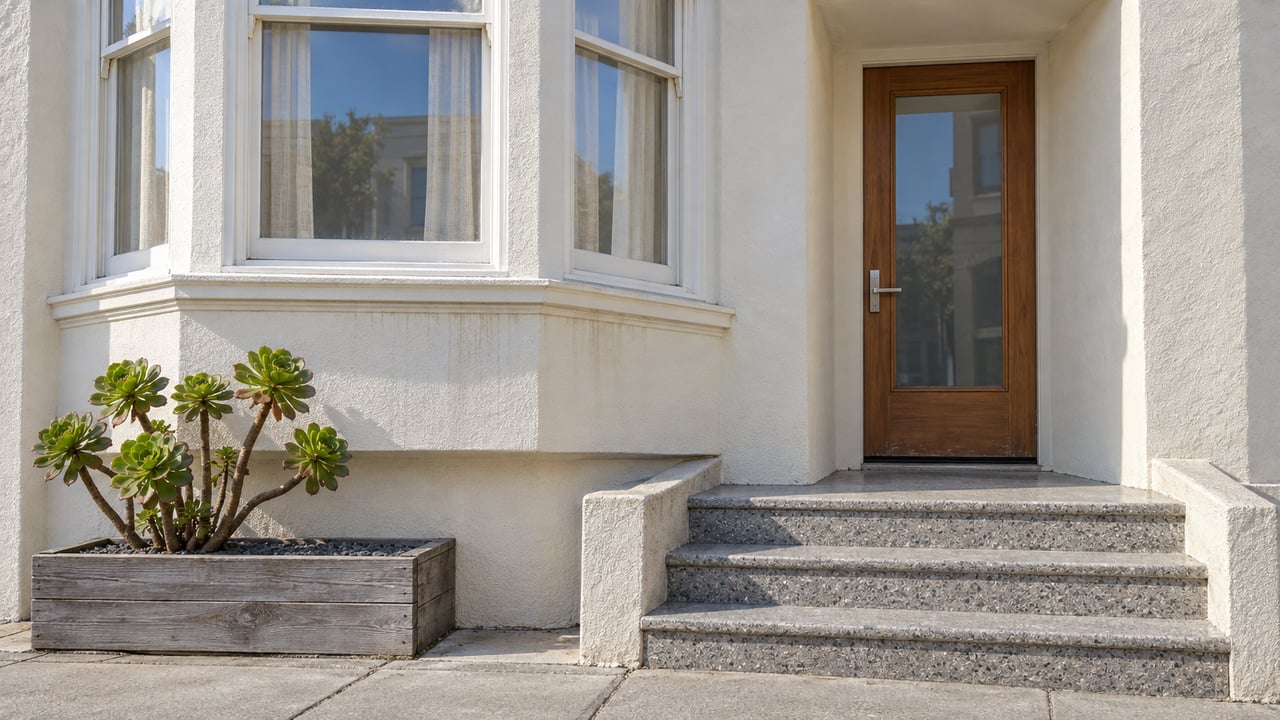
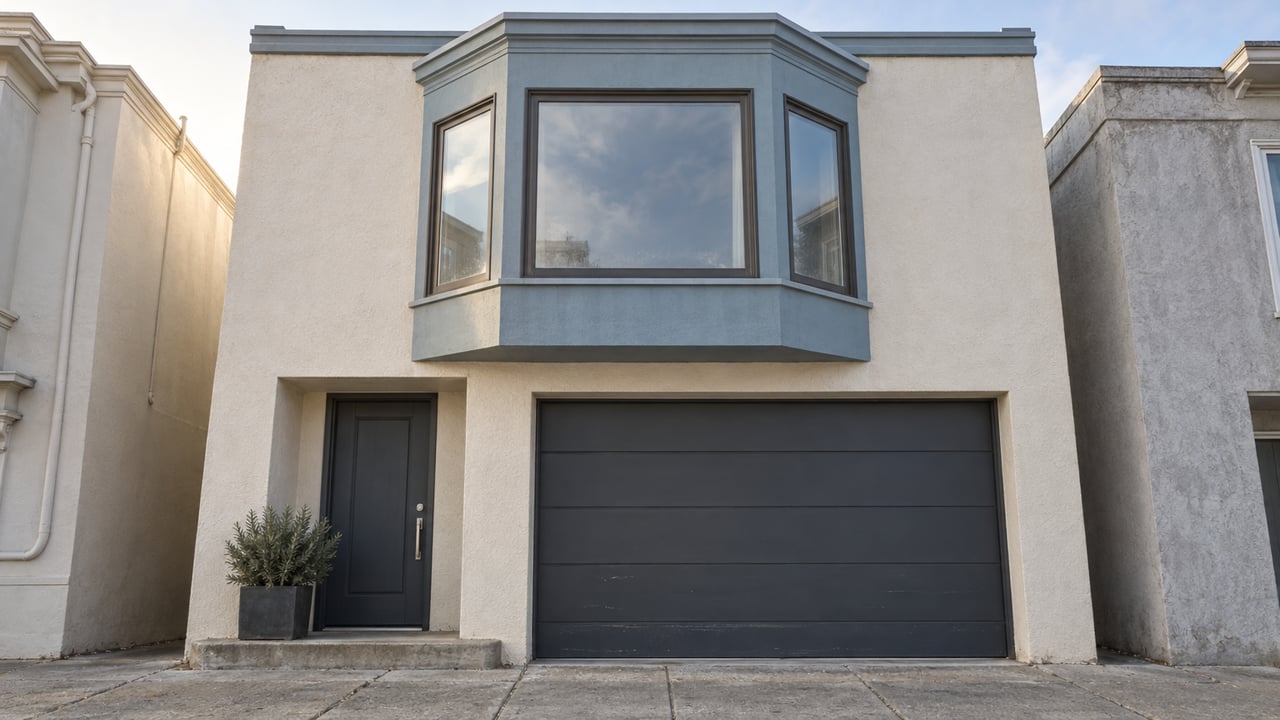
Russian Hill is known for its steep streets, historic character, and a housing stock that spans older multi-unit buildings and taller residential projects. The San Francisco General Plan describes the area as a mix of low, small-scale older buildings and tall slender towers, so you cannot reliably identify legal ownership type from exterior appearance alone.
That matters because title form shapes almost everything about a purchase. It affects how you hold ownership, how a lender reviews the property, what insurance may be required, how decisions are made in the building, and how easily you may sell later.
Condos in Russian Hill
A condominium is a legal form of ownership, not a building style. In California, a condo owner typically holds title to an individual unit along with an undivided interest in the common areas, and the project is usually governed by CC&Rs, bylaws, and a homeowners association.
For many buyers, condos offer the most familiar ownership path. Title is generally clearer, and financing is often more standardized than it is with a TIC or co-op, though lenders still review both the borrower and, in many cases, the project itself.
What buyers often like about condos
Condos can feel more straightforward because the ownership rights are easier to understand and document. They also tend to appeal to a broader future buyer pool, which can support smoother resale compared with more specialized ownership structures.
That said, simpler does not mean automatic. New or newly converted projects may face added lender scrutiny, and buyers should still review the building’s financials and governing documents carefully.
Condo costs to evaluate
Monthly ownership cost is more than principal, interest, taxes, and insurance. HOA dues are usually paid separately from the mortgage, and they can range from a few hundred dollars to more than $1,000 per month.
You will also want to understand reserve funding and the possibility of special assessments. A lower monthly HOA fee is not always a bargain if the association is underfunded or major building work is approaching.
TICs in Russian Hill
A tenancy-in-common, or TIC, is one of the more distinctive ownership structures you will see in San Francisco. In many TIC arrangements, owners hold an undivided interest in the property and receive occupancy rights to a particular unit through an agreement rather than owning that unit by separate deed.
In higher-cost markets, TICs are often used as an alternative to more expensive condo or single-family ownership. For some buyers, that can create an entry point into neighborhoods like Russian Hill that might otherwise be out of reach.
Why TICs require closer review
TICs are not necessarily recorded or approved through a local agency when they are formed. California’s Department of Real Estate also notes that certain TIC arrangements may be treated as undivided-interest subdivisions, and the initial marketing or sale may require a public report in some cases.
From a buyer’s perspective, the biggest practical issue is often financing. TIC loans are commonly underwritten more conservatively than comparable condo loans, which can narrow your lender options and affect pricing power when it is time to resell.
Key TIC questions to ask
Before moving forward on a TIC, make sure you understand:
- How occupancy rights are assigned
- Whether there is a detailed TIC agreement
- How expenses are shared
- How decisions are made among co-owners
- What happens if one owner wants to sell or refinance
- Whether the property has any path or history related to condo conversion
These are not small details. In Russian Hill, they can define both your day-to-day ownership experience and your long-term exit options.
Co-ops and community apartment projects
Co-ops are less common than condos, but they do appear in San Francisco. In a stock cooperative, title is held by a corporation, and shareholders receive a right of exclusive occupancy rather than a separate deed to an individual unit.
A community apartment project is different, but the main takeaway is similar for buyers: occupancy rights may exist without an individual deed in your name. That creates a very different legal and financing framework than a standard condo purchase.
How co-ops differ from condos
With a condo, you generally buy real property with an individual deed. With a co-op, your interest is usually evidenced by stock or membership certificates plus occupancy rights under the project’s governing documents.
Financing can be more project-sensitive as a result. Co-op loans often require deeper project review, including insurance compliance, operating budget review, and reserve considerations.
The classic flat is not a title type
In Russian Hill, buyers often fall in love with a classic flat building and assume they understand what they are buying. That is where confusion starts.
A flat is a building form, not an ownership category. The same type of older building could be held as rental property under one owner, or it could be subdivided as a condo, TIC, or co-op.
Why architecture can mislead you
The neighborhood’s historic fabric adds charm, but it can also mask legal complexity. Similar façades may hide very different rights, obligations, and resale constraints.
That is why title-and-governance review should come first. In Russian Hill, design is part of the appeal, but documentation is what tells you what you are actually purchasing.
Financing and resale considerations
If you are comparing ownership structures, financing is often where the differences become most tangible. Condo and co-op loans are reviewed not just at the borrower level, but often at the project level too.
As a practical matter, resale friction tends to rise as the ownership and governance structure becomes more specialized. Condos usually have the broadest buyer pool, while TICs and especially co-ops may face narrower lender and approval pathways.
A simple comparison
| Structure | Ownership form | Financing path | Governance | Resale considerations |
|---|---|---|---|---|
| Condo | Separate unit ownership plus common interest | Often more standardized, but project review may apply | HOA, CC&Rs, bylaws | Typically broader buyer pool |
| TIC | Undivided interest with occupancy rights | Often more conservative underwriting | TIC agreement among owners | Can be more lender-sensitive |
| Co-op | Shares in corporation with occupancy rights | Highly project-sensitive | Board and co-op documents | Often narrower approval and lending path |
| Rental flat | No ownership interest for occupant | Not applicable to tenant occupancy | Landlord-controlled | Not a purchase structure for occupant |
This table is only a starting point. The actual terms of the project and documents matter more than the label alone.
Insurance and monthly carrying costs
Monthly cost comparisons can get distorted when buyers focus only on mortgage payment. HOA dues or co-op assessments are often separate, and they should be treated as part of your total monthly housing cost from day one.
Insurance also works differently depending on structure. Common-area coverage may be handled by the association or co-op board, while you may still need separate coverage for the interior of your unit and personal property.
Why insurance deserves extra attention
In some cases, standard coverage may be harder to place. When that happens, buyers may need to explore California FAIR Plan coverage and a difference-in-conditions policy to fill gaps.
The right question is not just “Is there building insurance?” It is “What is covered by the project, what do I need to insure personally, and are there any gaps I need to budget for?”
San Francisco issues that affect Russian Hill deals
Beyond the ownership structure itself, San Francisco has local rules and conditions that can materially affect value and usability. These issues come up often in older multi-unit buildings, which makes them especially relevant in Russian Hill.
A careful buyer should look beyond the floor plan and finishes to understand whether the property has any conversion, permitting, tenant, or legalization issues.
Condo conversion limits
San Francisco’s condo-conversion program applies to apartment buildings with six units or fewer. The city says owners must have occupied at least 50% of the units for three continuous years before entering the annual lottery, the lottery is capped at 200 units per year, and certain tenant rights and prior eviction or buyout history can affect eligibility.
If you are buying a TIC with hopes of future condo conversion, that possibility should be treated as uncertain, not assumed. The city’s rules are specific, and not every building will qualify.
Unauthorized or nonconforming units
Older San Francisco properties may include unauthorized or nonconforming spaces or units. SF Planning says many residents live in such units citywide, and legalization can require eligibility review, Planning approval, and full building-code compliance.
That can affect value, financing, and future renovation plans. If any part of a property seems ambiguous, permit history and disclosure review become essential.
Tenant status and rent rules
For rental properties, San Francisco’s Rent Ordinance generally covers many residential units built on or before June 13, 1979. If you are evaluating a tenant-occupied flat or TIC, do not assume a property is exempt based on appearance or size alone.
Instead, confirm current Rent Board status and occupancy details as part of your diligence. Tenant rights can affect timing, income assumptions, and future use of the property.
The documents that matter most
In Russian Hill, the document stack usually tells you more than the listing copy ever can. Before you get too attached to finishes or views, make sure you understand the paperwork that defines ownership, cost, and control.
The most important items often include:
- Recorded deed or condo map
- TIC agreement or co-op stock and proprietary lease documents
- HOA or board budget
- Reserve information
- Insurance summary
- Permit history
- Evidence of any tenant issues
- Evidence of any unauthorized or nonconforming space issues
These materials help clarify what you own, what you pay, how decisions are made, and what may complicate future resale.
How to approach a Russian Hill purchase
The best way to evaluate a Russian Hill property is to think title and governance first, design second. That mindset can protect you from treating a visually appealing home as a simpler purchase than it really is.
If you are deciding between a condo, TIC, co-op, or multi-unit opportunity, the goal is not to avoid complexity at all costs. It is to understand exactly where the complexity lives, how it affects your financing and monthly costs, and whether it fits your plans for use and resale.
In a neighborhood with this much architectural charm and legal variety, clear analysis matters. A disciplined review of title form, governance documents, lender requirements, insurance structure, and local San Francisco constraints can make the difference between a smart buy and an expensive surprise.
If you are weighing a Russian Hill purchase and want experienced, principal-led guidance on the structure behind the story, connect with K2 Collective - Kelli + Katie for a confidential market consultation.
FAQs
What is the difference between a Russian Hill condo and a Russian Hill TIC?
- A condo usually gives you separate title to an individual unit plus shared ownership of common areas, while a TIC usually gives you an undivided interest in the whole property along with occupancy rights to a specific unit.
Are Russian Hill TICs harder to finance than condos?
- Often, yes. California DRE and San Francisco Planning materials indicate TIC loans are commonly underwritten more conservatively than comparable condo loans.
Can a classic Russian Hill flat be a condo, TIC, or co-op?
- Yes. A flat describes the building form, not the legal ownership structure, so the same style of building may be rental property, a condo project, a TIC, or a co-op.
Do Russian Hill condos always have simpler resale than TICs or co-ops?
- Not always, but condos generally tend to have a broader buyer pool because financing and title are often more standardized than with TICs or co-ops.
What documents should you review before buying a Russian Hill co-ownership property?
- Key documents usually include the deed or condo map, TIC agreement or co-op documents, HOA or board budget, reserves, insurance summary, permit history, and any records related to tenants or unauthorized spaces.
Can a Russian Hill TIC automatically convert to a condo later?
- No. San Francisco’s condo-conversion program has specific eligibility rules, annual limits, and tenant-related restrictions, so future conversion should never be assumed.